
Guide
GoreBox 27 Performance: How Big a Scene Can Your Phone Actually Run?
Bots, debris, weather and willpower: honest performance expectations by phone tier and the habits that keep huge scenes playable.
CONTENTS On this page
Every GoreBox 27 player eventually asks the same question, usually while spawning their fortieth bot: how much world can this phone hold? This guide answers honestly, by tier, from the stress tests behind GoreBox 27 official site.
What actually costs
Simulated bodies cost the most, then persistent debris (the world remembers its wreckage), then weather and water, then everything else. Your frame rate is a budget and the spawn tool spends it. The good news: cost is visible and immediate, so the game teaches its own limits within one session.
By tier
Flagships: build the epic, host the room, weather on; your ceiling is high enough to forget about. Mid-range: full game, sane scales; epics in chapters rather than all at once. Budget (the A13 class): honest smaller scenes, fewer bots, still unmistakably this game, and short sessions run cooler than marathons.
Habits that help
Clear wreckage between set pieces, cool the phone between long sessions, and close the background herd. The simulation rewards ambition; it just invoices it accurately.
Heat, the silent setting
The performance killer nobody lists in settings is temperature. A phone that starts a session cool and ends it throttling will feel like the game got worse, when really the hardware got honest. Learn the signs: frames that sag in minute twenty of an identical scene, a handset warm enough to notice through a case. Short sessions on budget hardware, a cool-down while you clear the scene and plan the next build, and no charging-plus-maximum-chaos marathons on a summer afternoon. Pair those habits with our best settings for performance, controls and comfort and most phones find a happy ceiling they can hold all evening.
A five-minute ceiling test
Find your own phone's budget instead of trusting anyone's chart, including ours. Start a quiet sandbox, add bots five at a time, and fight a short skirmish at each step. The count where frames stop recovering after the fight is your working ceiling; build one notch below it and your sessions stay smooth instead of heroic. Note the number with your favourite map and weather, because both move it. And when a slowdown only appears with friends in the room, it has left performance territory entirely: our lag fix separates host, network and scene causes.
Weather, water and the honest budget
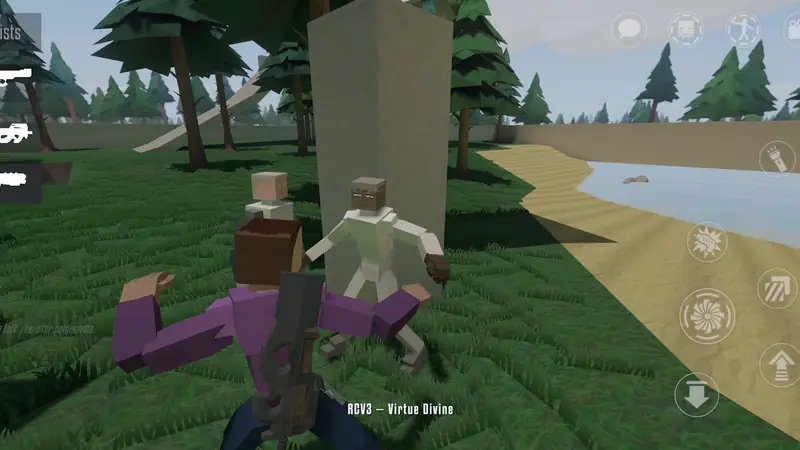
Two beloved systems deserve their own line in the budget. Weather is not a filter in GoreBox 27; it is simulation the phone must run, and a storm over a crowded scene costs more than the same scene at a calm noon. Water behaves the same way: a lakeside set piece with swimmers, splash physics and drifting wreckage is a heavier room than its bot count suggests. Neither system is a villain, and GoreBox 27 looks and plays its best with both switched on. The honest approach is accounting: when you plan the epic, count weather and water as cast members. A GoreBox 27 scene budgeted that way holds its frame rate, and nobody has to choose between beauty and smoothness mid-session.
Quick Answers
Why does performance dip late in a long session?
Accumulated bodies, debris and heat. Clear the scene and let the phone breathe.
Does multiplayer cost more than solo?
Other players' chaos is real cost, but bot counts matter more; hosts control both.
Will a flagship run anything I build?
Nearly. Determination plus the Crusher can out-build any phone eventually; treat finding the ceiling as content.