
Guide
Every GoreBox 27 Mode Explained: Sandbox, Deathmatch, Gun Game and Maniac Mystery
The mode list decoded: what each of the five modes actually is, who it suits, and the order to try them in.
CONTENTS On this page
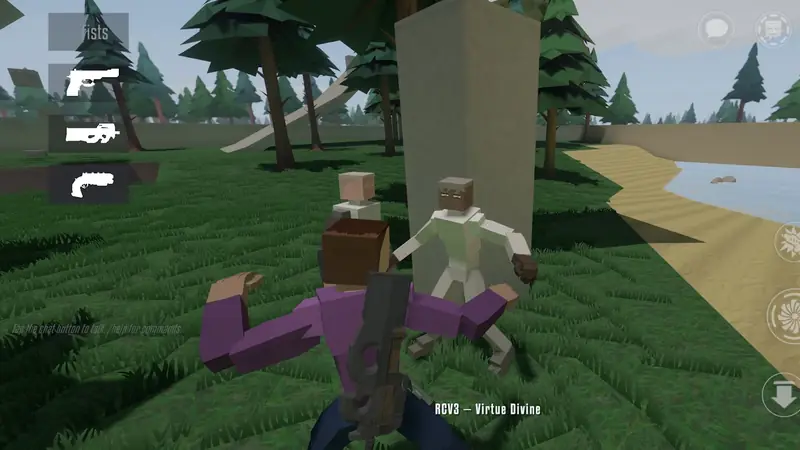
Five modes share one simulation, and they feel less like menu options than like five arguments about what the simulation is for. This guide explains each as it actually plays. If the game is not installed yet, the file waits on the GoreBox 27 download page.
Sandbox
No rules, no score, the whole toolbox: the Reality Crusher, the editor's spirit, bots living their loops. Sandbox is the game's home screen in spirit and the mode everything else is a holiday from.
Deathmatch and Team Deathmatch
The arena classics, transformed by bodies that keep their injuries. Positioning, penetration and the medical chart make familiar maps play unfamiliar, and team play adds triage decisions no other shooter asks for.
Gun Game and Maniac Mystery
Gun Game ladders you through the arsenal, a shooting lesson disguised as a race, and our Gun Game climbing guide walks the ladder rung by rung. Maniac Mystery deals hidden roles and lets paranoia drive; it is the social mode, best with friends and voice chat, and our Maniac Mystery night guide covers roles, evidence and hosting one well. Try them in this order: Sandbox, Deathmatch, Gun Game, Team Deathmatch with friends, then Mystery night.
Team Deathmatch, properly
Team Deathmatch deserves its own paragraph because the team part changes the damage maths. A wounded teammate is not a respawn waiting to happen; they are a fighter at reduced capacity who can still hold a doorway, call positions and finish a crawling opponent. Checking a downed ally with the Body Inspector becomes a genuine tactical decision: two seconds of triage buys a gun back, or costs you your own legs while you kneel. Groups that talk win these exchanges, because the chart gives them something true to say. Call wounds, not scores, and the mode turns into the most cooperative shooter on your phone.
Picking tonight's mode
Choose by company and mood, not by habit. Solo with twenty minutes: Gun Game against bots, because it teaches while it entertains. Two friends and an hour: Team Deathmatch with bot fill, familiar shape and full chaos. A full room on a Friday: Sandbox to warm up, Deathmatch to compete, Maniac Mystery to close, because nothing follows a mystery night except arguing about it happily. Building mood with no appetite for gunfire: Sandbox with the Crusher and the editor, and the modes will keep. The list is small on purpose; depth lives in the simulation, not in menu sprawl.
Bots in the room, or humans?
Every GoreBox 27 mode plays twice: once against bots, once against people, and the two versions teach different lessons. Bots are honest tutors in GoreBox 27: they use cover, react to sound and punish noise exactly as the systems promise, so a mode learned solo transfers cleanly. Humans add theatre. A GoreBox 27 Deathmatch against friends includes grudges, truces that last one round, and triage decisions made for social reasons no AI would compute. Maniac Mystery barely exists without humans, while Gun Game may be better against bots for pure practice. Treat the bot version of each GoreBox 27 mode as the classroom and the human version as the performance, and schedule both.
Quick Answers
Which modes work offline?
All five play against bots, so none of them need a lobby to be fun.
What mode is best for a first multiplayer night?
Team Deathmatch with bots filling gaps: familiar shape, full chaos, nobody stranded.
Is Sandbox scored or timed?
Neither. That absence is the mode's entire design.