
Guide
Maniac Mystery: GoreBox 27's Night of Hidden Roles
Secret roles, a room full of suspects, and a damage system that makes evidence physical: how Maniac Mystery plays and how to run a great one.
CONTENTS On this page
Maniac Mystery is GoreBox 27's social deduction mode: hidden roles are dealt, one or more players are the problem, and the room has to work it out before the problem finishes its work. This guide covers how it plays and how to host a memorable one, from the sessions behind GoreBox 27 APK.
Why the simulation supercharges it
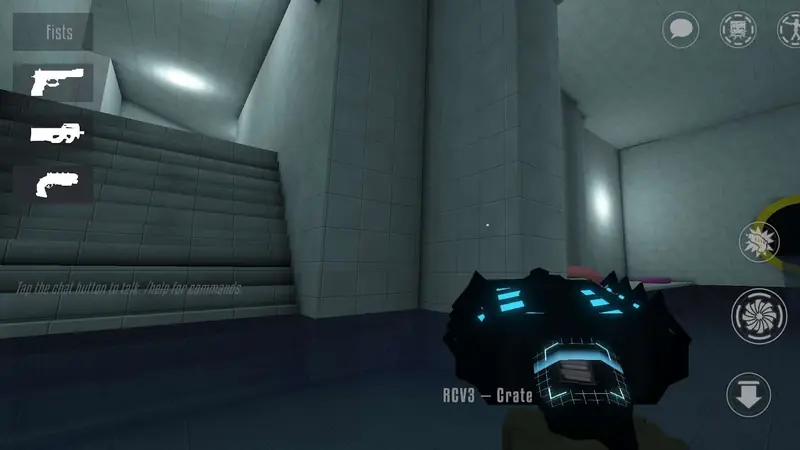
In most social deduction games, evidence is chat. Here, evidence is physical: wounds have locations, scenes persist, and a player found crawling away from a room tells a story no alibi quite covers. The Body Inspector becomes a detective's tool, and the sandbox becomes a crime scene that remembers.
Playing your role
Innocents: move in pairs, narrate what you see, and treat solitary wanderers as questions, not accusations. The maniac's art is scheduling: be somewhere boring when it happens, every time, and let the room's paranoia do your arguing for you.
Hosting a great mystery
Eight-ish players, voice chat if your group tolerates it, and a map with rooms and sightlines rather than one open field. Close the night with it; nothing follows a good mystery except arguing about it happily.
The accusation round, run well
Good mystery nights are made in the talking, not the shooting. Give accusations a shape: evidence first, theory second, vote last. A wound location, a blood trail, a player the Inspector found crawling from the wrong room: this game produces physical evidence, and rooms that lead with it argue better and accuse fairer. The maniac's counter is scheduling, as the role section explains, so innocents should compare timelines out loud and make everyone account for the same two minutes. It is the same session craft our hosting handbook applies to every mode, doubled, because here the social contract is the game board.
Rematches and rotating the room
Run mysteries in sets of three on the same map, then move. The first round teaches the room the geography, the second produces the genuine paranoia, and the third is where legends happen. Between sets, rotate one variable only: a new map, a tighter room, an extra bot or two filling the cast. Change everything at once and nobody learns anything except confusion. Close the night while the arguing is still happy. On quieter evenings the group may want a different register entirely, and the full mode explainer is the menu to argue over instead.
Playing the maniac without ruining the night
The role everyone wants carries a duty nobody mentions: lose gracefully when the room earns it. A GoreBox 27 maniac who plays only to win turns a social mode into a chore, because half the table is there for the argument, the evidence and the terrible accusations. Pace yourself across the night, let an early round or two breathe so newer players learn the grammar, and when the accusation round finally corners you, confess like a professional: the confession speech is the mode's best theatre. Groups running GoreBox 27 mystery nights regularly will find that the maniacs everyone remembers fondly are the ones who understood the job. You are not the villain of the evening in GoreBox 27; you are its entertainment, armed.
Quick Answers
How many players does Maniac Mystery want?
A healthy room of friends; bots can fill, but suspicion is most fun against humans.
Is voice chat required?
No, in-game text chat works, but voices sell the accusations.
What makes a good Mystery map?
Interiors, doors and multiple routes: somewhere a maniac can be unwitnessed and a witness can be believed.