
Guide
GoreBox 27's Bots: Fight, Flight, Surrender and Long Memories
The NPC system explained: how bots use cover, track by sound, remember attackers and choose their moments, plus difficulty that actually matters.
CONTENTS On this page
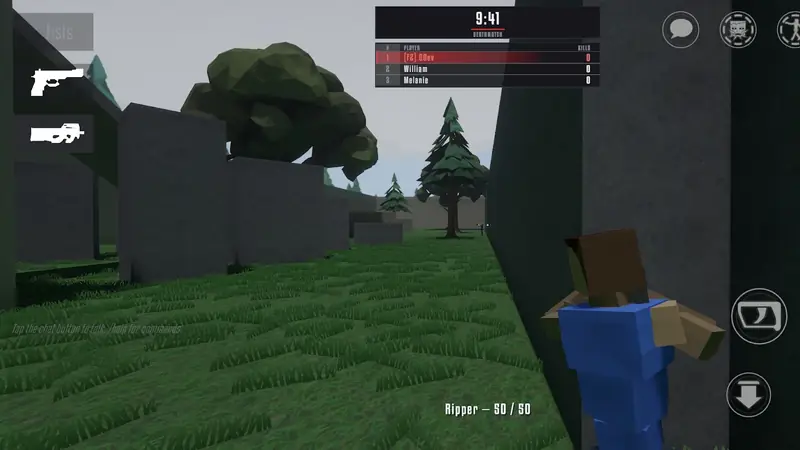
The bots are half of why this game works. GoreBox 27's NPCs do not run at you in a line: they fight, flee or surrender, use cover, track you by sound and remember who hurt them. This guide explains the behaviour we rely on in testing; new players can join them via the GoreBox 27 download page.
Reactions with reasons
A bot's choice is a situation report: outmatched ones flee or surrender, confident ones press, and everyone reacts to noise. Suppression works here the way it should, because the thing you are suppressing has a working sense of self-preservation.
Memory
Attackers are remembered. The sandbox consequence is delicious: your past behaviour walks around the map with opinions about you, and a character you wronged in minute five can make minute forty very interesting.
Difficulty as a dial
Difficulty is adjustable, and it changes judgement, not just aim: harder rooms punish noise and exposure the way human lobbies do. For map testing, mixed difficulties give the most honest report on your arena.
Sound discipline around bots
Because bots track by sound, your noise is a resource with a price. Sprinting across a quiet map is a press release; gunfire is a signed confession with your location attached. Move quietly when a flank matters, and make noise deliberately when you want a room's attention pulled the wrong way: a few rounds into a far wall have started more successful escapes than any smoke grenade this game does not have. A wounded bot also moves differently, which is the damage system showing through behaviour: the limp you can hear is information, if you are listening for it.
Bots as teammates and lobby fill
In multiplayer, bots stop being opponents and become infrastructure. A host who fills empty seats gives two arriving friends a living room instead of a waiting screen, and mixed-difficulty fill keeps the match honest while humans find their feet. Treat bot teammates as real capacity with known limits: they hold positions, use cover and react to noise, but your group's strangest plans still need human hands. Give those fill seats faces from the custom character creator and even a bot-filled lobby feels authored rather than padded.
Mixed-difficulty rooms
One difficulty for a whole room is a blunt instrument, and GoreBox 27 quietly offers a sharper one: mix. A lobby of mostly standard bots with two high-difficulty veterans produces livelier, less predictable fights than a uniform room at any setting, because the veterans punish habits the rest of the cast lets you keep. Teachers use the same trick in reverse, surrounding a new player with gentle bots and one honest challenge to aim at. Map testers get the truest reports from mixed rooms, since real GoreBox 27 lobbies are never uniform either. Tune the mixture per purpose, and the bots stop being a difficulty setting at all: in GoreBox 27 they become casting, and casting is a creative act. Your sessions will play like it, and your GoreBox 27 guests will notice before they can say why.
Quick Answers
Do bots really surrender?
Yes, when the arithmetic convinces them. It never stops being a great moment.
Can bots hear me?
They track by sound: sprinting and gunfire advertise you, quiet movement is a real tactic.
Are bots in multiplayer too?
Yes: hosts can fill lobbies with them, and they hold their own in modes built for humans.