
Guide
The Reality Crusher: GoreBox 27's Signature Tool, Explained Properly
Spawn, grab, throw, tear: what the Reality Crusher actually does, the experiments it begs for, and using it in multiplayer without being that person.
CONTENTS On this page
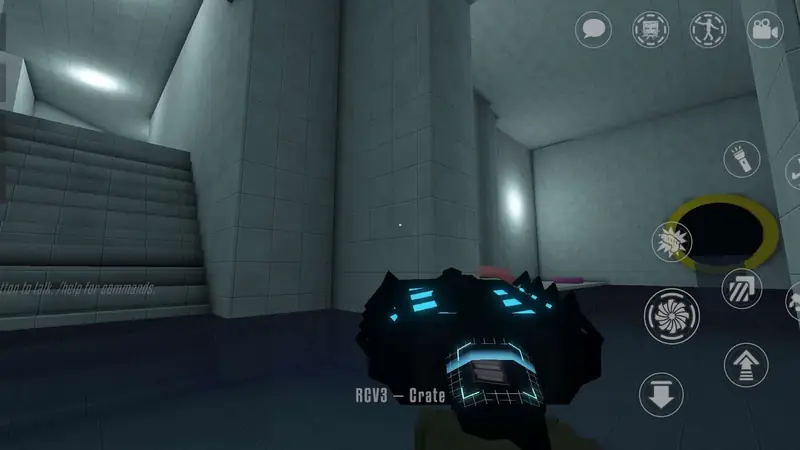
Every sandbox has a mascot tool, and in GoreBox 27 it is the Reality Crusher: the device in your hands in half the game's screenshots, glowing blue and full of potential energy. This guide covers what it does and how to think with it, from our testing at GoreBox 27.
The four verbs
Spawn objects into the world. Grab them at range. Throw them with real physics behind the throw. Tear them apart. Four verbs, and every legendary session clip is a combination of them, because the Crusher does not cheat the simulation: what you throw obeys the same gravity, materials and bodies as everything else.
Experiments that teach
Build a tower and remove the bottom. Drop something heavy through something fragile. Arm a room and leave it for the bots. Each experiment is a physics lesson wearing a grin, and an hour of them teaches the map's material logic better than any wiki.
Multiplayer manners
In hosted sessions the Crusher is a loaded question. Announce whether it is a building session or a mayhem session before the first object spawns; the tool is equally good at both, and equally capable of ruining the other kind.
Reading materials: what tears, what refuses
The Crusher teaches material literacy faster than any other system in the game. Light scenery tears, folds and flies; dense structures shrug, crack and stay standing to become cover. Spend ten minutes running the same throw against different walls and you will start reading every room differently: which barrier is a promise, which is a rumour, and which is a projectile waiting for permission. That literacy transfers directly to gunfights, because bullets make the same judgements about the same materials. Builders who want those lessons made permanent should read our guide to the in-game map editor, where the same material logic stops being experiments and becomes architecture.
Your first five experiments, in order
One: stack a tower, remove the bottom block, and watch how the simulation settles the argument. Two: drop the heaviest object you can spawn through the lightest roof you can find. Three: build a corridor, fill it with bots, and remove one wall at the worst possible moment. Four: throw a vehicle-sized problem at a lake and study what swimmable water does to momentum. Five: arm a quiet room, leave, and let the bots discover it without you. Each run teaches one clean lesson about weight, momentum or consequence, in exactly the order our beginner first-hour plan uses to teach the tool to new players.
The Crusher in structured modes
New players meet the tool in Sandbox, but GoreBox 27 keeps it relevant everywhere. Between Deathmatch rounds it is the fastest cleanup crew ever shipped: wreckage that would tax the next round's performance can be gathered and gone in a minute. In Team Deathmatch, a GoreBox 27 veteran with the Crusher is a field engineer, dragging real cover into a lane that the map designer never intended to be defensible. Hosts sometimes restrict it in Gun Game, where thrown scenery can decide a duel more honestly than aim does, and that argument in the lobby is half the fun. Learn the tool as a citizen of every mode, not a Sandbox toy, and GoreBox 27 stays surprising for months.
Quick Answers
Is the Reality Crusher a weapon?
It is a tool that can absolutely be used as one. The game does not police the distinction; your host might.
Can the Crusher spawn characters?
It works with objects and the world; characters and NPCs have their own creators in the game's menus.
Does Crusher physics differ from normal physics?
No, and that is its genius: thrown objects join the same simulation as everything else.