
Guide
Deathmatch Tips for GoreBox 27: Fighting in a World That Remembers
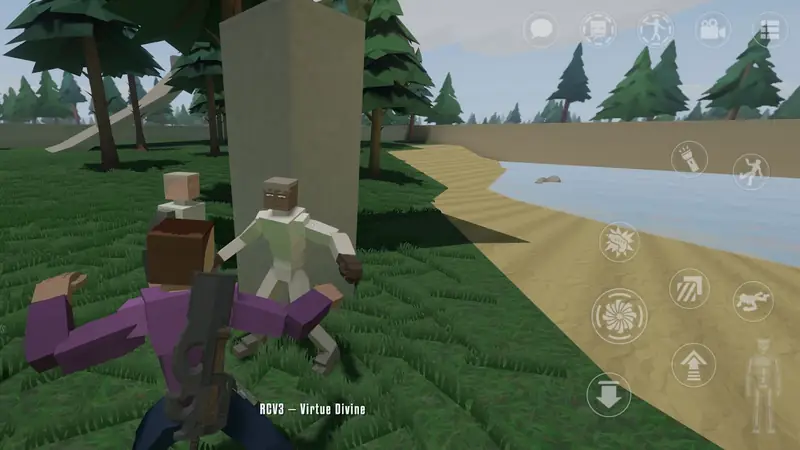
Cover is material, legs are pace, and the chart never lies: Deathmatch strategy rebuilt for a per-limb damage world.
CONTENTS On this page
Deathmatch instincts from other shooters mostly survive the trip to GoreBox 27, except the ones that matter. This guide rewrites the important ones, following our arena testing for GoreBox 27 official site.
Cover is a material, not a shape
Bullets penetrate, and materials differ. The wall that stops a pistol round is a suggestion to a heavier calibre, so choose cover like an engineer: thick, dense, and angled, with a second position already chosen. Our weapons guide on recoil, calibres and penetration is the reference for which calibre laughs at which wall. Thin scenery is concealment, and concealment is a rumour.
Fight the body you are given
Your legs are your pace and your arms are your aim; damage to either rewrites your plan. Disengage earlier than pride suggests, use the downtime to actually recover, and aim at opponents with the same arithmetic: the shot that cripples a rusher beats the shot that nearly kills a camper.
Read the room's health
Late-round Deathmatch is a ward round: everyone is carrying something. Aggression budgets should grow as the room's collective body fails, and the player who tracks that invisible scoreboard wins fights the visible one cannot explain.
Sound is a position report
Every gun in this game narrates itself. Calibre-based audio means a fight two rooms away still tells you the weapons involved, roughly the range, and whether it is escalating or ending. Bots listen with the same education, which makes your own noise a decision: sprinting and spraying advertise you to humans and AI alike, while a quiet flank stays quiet in every sense. Build the habit of pausing at thresholds and listening for one full second before entering. That second is the cheapest information in Deathmatch, and the players who collect it keep winning fights that look, to everyone else, like luck.
The first thirty seconds of a round
Rounds are shaped early, while every body in the room is still whole. Spend the opening on position, not contact: reach your chosen cover, note which materials surround it, and let the impatient players reveal themselves by shooting first. The first Inspector check you make, on the round's first casualty, tells you how the room is armed and how hurt it already is. All of it rests on the per-limb damage system, explained properly: learn the chart, and the arena starts reading itself aloud to you.
The warm-down: reviewing a round
Finish Deathmatch nights with five quiet minutes in Sandbox, because GoreBox 27 lets you interrogate your own defeats there. Rebuild the doorway where you kept dying, stand in it, and find the angle you never saw while it was killing you. Check a fresh bot with the Inspector and rehearse the chart reading that felt too slow under fire. GoreBox 27 rewards this unfashionable habit embarrassingly quickly: positions stop being mysterious, calibres stop being surprises, and the next round's first thirty seconds start belonging to you. The arena remembers everything, including your mistakes; the warm-down is how a GoreBox 27 player makes sure they remember them too, once, cheaply.
Quick Answers
What's the biggest habit to unlearn?
Treating all cover as equal. Penetration makes material choice a core skill.
Should I finish downed opponents?
Context decides: a crawler with friends nearby is bait as often as they are a free score.
Best warm-up for Deathmatch?
Ten minutes of bot Gun Game: weapon variety plus honest opposition.